Hedge Trimming in Chislehurst

Hedge trimming in Chislehurst should create a clean, even finish that suits the plant species, the shape of the garden and the level of privacy you want to keep. Our service focuses on regular trimming, careful reduction and neat finishing for domestic and commercial outdoor spaces, with attention to healthy growth and a tidy edge. Whether the hedge is part of a boundary, a front garden feature or a larger screening run, the work is planned to keep the line consistent and manageable.
We handle a practical range of trimming tasks, from light seasonal shaping to more substantial cut-backs where the hedge has grown unevenly. That can include hedge faces, tops, corners and difficult sections that need gradual correction rather than a heavy cut in one go. Good hedge work is as much about restraint as it is about cutting, because the aim is not just to shorten growth, but to leave the plant looking balanced and healthy.
For a straightforward quotation, it helps to note the hedge type, approximate length, height and access conditions. If you already know the style you want, say whether you prefer a crisp formal line or a softer natural shape. You can request a quotation once you are ready, and we can discuss the work in clear, practical terms.
Regular hedge maintenance
Scheduled hedge trimming keeps growth controlled before it becomes difficult to shape. A hedge that is cut consistently usually holds its outline better, responds more evenly and avoids the patchy look that can follow neglect. For many gardens, the main decision is how sharp the finish should be: some hedges suit a precise geometric edge, while others look best with a slightly relaxed profile that still reads as cared for.
We can trim established hedges to maintain height, reduce spread and encourage a denser finish where growth has become thin or straggly. This often matters for hedges that separate boundaries or frame paths and drives, because an overgrown line can start to encroach on movement and light. If the hedge has several varieties in one run, the approach may need to vary so that the final result remains even without overcutting slower-growing sections.
What a careful trim can achieve
A well-managed trim can do several jobs at once: improve appearance, keep access clear, reduce the risk of untidy overhang and make future maintenance easier. The best result usually comes from working with the hedge’s natural habit rather than forcing it into a shape it cannot hold comfortably. In practical terms, that means understanding where to remove growth, where to leave enough leaf cover and where a staged approach will protect the hedge’s structure.
Shaping, reduction and finish

Not every hedge needs the same treatment. Some need only a tidy trim across the sides and top, while others benefit from a measured reduction in height or width to restore proportion. A reduction cut is more involved than a routine trim, because the aim is to lessen bulk without leaving bare sections or a flat, stressed appearance. The exact method depends on the species, the age of the hedge and how far the growth has run from its intended line.
Where shaping is needed, we aim for clear straight lines, smooth curves or a defined top profile that suits the garden layout. This can be especially useful where a hedge has become heavier on one side, leans into a path or casts more shade than you want. If you are comparing options, think in terms of finish, density and ongoing maintenance; those three elements usually determine whether a hedge looks simply cut or properly managed.
When the work includes a visible front boundary, the edges matter as much as the top. Uneven returns, small humps and soft corners can make even a short hedge appear untidy. Careful trimming can sharpen those details without making the hedge look harsh. In many cases, a modest correction now prevents a more disruptive cut later.
Access, tidiness and day-to-day practicality
Hedge trimming often involves more than the cut itself. Access along a boundary, the position of planting beds, the proximity of fences and the slope of the ground can all affect the order of work. If a hedge backs onto a narrow side return or sits above delicate planting, the trimming method needs to allow for safe movement and a controlled finish. That is why the surrounding space matters when planning the job, not just the hedge line.
Clear access also affects how the work is carried out and what the site looks like afterwards. Trimmings need to be collected or managed sensibly, paths kept usable where possible and the final edges checked from several angles so the hedge reads evenly from both sides. If you are preparing an enquiry, the most useful details are the hedge location, rough measurements and any awkward access points. Photographs are helpful when they show the whole run, the start and end points, and anything that might influence the trim.
- Boundary hedges that need a cleaner line and regular upkeep
- Front-garden hedges that benefit from a neat, visible finish
- Overgrown sections that need gradual correction rather than a harsh cut
- Mixed planting runs where one species has outpaced the rest
Hedges for privacy, shape and light

Different hedges serve different purposes, and trimming should reflect that. A screening hedge may need enough width left in place to preserve privacy, while a decorative hedge may be cut tighter to emphasise structure. In some gardens, the main concern is not height but how much light a hedge blocks from a window, path or smaller planting area. The right trim can improve both the look and the practical use of the space.
Some hedges respond well to regular definition of the top and faces, while others are better managed by removing only the most active growth. If the hedge is part of a formal layout, consistent lines matter throughout the season, and small irregularities become noticeable quickly. If it is more informal, the aim may be to keep it contained without losing the softer character that suits the rest of the garden. The trimming style should match the garden rather than override it.
We also consider how the hedge sits in relation to neighbouring features such as lawns, paving, decking or boundary structures. A hedge that is cut too close to hard edges can leave a harsh outline, whereas a hedge left too broad may dominate the space. Careful trimming balances these considerations so the finished shape feels deliberate and useful, not simply shortened.
Seasonal care and growth patterns
Hedge growth changes through the year, so the timing and extent of trimming can influence how well the hedge holds its form. Fast-growing hedges may need more frequent attention to stay within bounds, while slower species can often keep their shape for longer periods between visits. Knowing how the plant grows helps prevent unnecessary stress and avoids taking too much at once. This is particularly important where the hedge forms a key visual boundary.
For many customers, the question is how to keep the hedge under control without creating a cycle of heavy correction each year. The answer is usually steady, appropriate cutting that respects the hedge’s natural rate of regrowth. A light, regular trim is often easier to live with than a dramatic cut after a long gap. Consistency tends to improve both appearance and maintenance planning, especially where the hedge is prominent from the road or entrance.
If you are unsure how often your hedge should be trimmed, it is sensible to think about both appearance and function. A decorative hedge may need sharper definition, while a privacy hedge may need enough growth retained to remain effective. We can work from your preferred outcome and the hedge’s current condition, rather than applying the same approach to every garden.
About Chislehurst
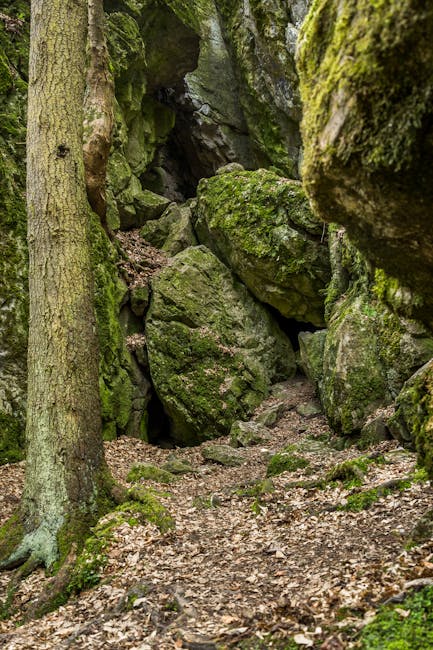
Chislehurst is a suburban area in the south-east of London, historically associated with Kent and now part of the London Borough of Bromley. Its character is shaped by a mix of residential streets, older village-style lanes and larger open spaces, with a centre that retains a recognisable high street pattern. The area is known for Chislehurst Commons, a substantial stretch of common land that includes woodland, grassed areas and paths used by walkers and local residents. Close by, Scadbury Park offers another significant open landscape, with nature trails and the remains of Scadbury Manor linking the area to its medieval past. Chislehurst Caves are one of the best-known local landmarks and have long been used for guided visits and events, reflecting the area's layered history and unusual underground spaces. The wider setting includes a mix of Victorian and later housing, churches, schools and independent businesses, while nearby transport connections link the district to Bromley, Sidcup and central London. This blend of green space, historic fragments and suburban development gives Chislehurst a distinctive feel that is often described as village-like despite its London location. Streets and properties vary from compact terraces to larger detached homes, and the area’s public spaces, wooded edges and established gardens contribute to a settled, leafy appearance. Its architecture and landscape together create a place where historic associations, conservation interest and everyday residential life sit alongside one another.
Choosing the right trimming approach

There is no single correct hedge trim for every property, so the first decision is usually how the hedge should function once the work is complete. If it is mainly ornamental, the finish may need sharper edges and a more defined top line. If it is there to screen a boundary, the focus may be on keeping the body of the hedge full enough to provide coverage while still controlling height and spread. The best choice depends on the plant and the purpose.
Species matters as well. Some hedges tolerate shaping very well and can be kept crisp and formal, while others prefer a gentler touch and do not recover well from severe cuts. A hedge that has outgrown its intended size may need a step-by-step approach instead of a single reduction, especially if there are older woody areas beneath fresh growth. In practical terms, the work needs to protect the hedge’s long-term appearance as well as the immediate result.
If you are comparing the options for your garden, it may help to think about whether the priority is privacy, symmetry, access or a simple seasonal tidy. Once that is clear, the trimming can be matched to the hedge rather than treated as a generic cut. That usually leads to a more satisfying finish and less corrective work later on.
Supporting services around the garden
Hedge trimming often sits alongside other garden maintenance tasks, particularly where the edges of the garden need to look coherent as a whole. A tidy hedge can sit more naturally with a clean lawn, well-kept borders and uncluttered paths. Where a hedge has dropped a lot of cuttings or blocked access to a planting bed, the wider garden picture can benefit from having the surrounding area cleared and made easier to maintain. This is especially useful when the hedge line forms a strong visual frame for the garden.
Where relevant, we can also discuss broader outdoor work such as garden maintenance, garden clearance, lawn mowing, landscape gardening, landscaping, decking services and tree lopping and removal. Those services are not automatically needed with every hedge job, but they can be useful where the hedge is part of a bigger improvement plan or where other growth has also become difficult to manage. You can compare the scope before deciding what to include.
If you want to keep the next step simple, just outline the hedge work first and mention any linked tasks separately. That helps keep the quotation focused and avoids adding items you do not actually need. We aim to keep the discussion practical, with the service defined by the work rather than by unnecessary extras.
Pricing factors and quotation details
Hedge trimming costs are usually influenced by length, height, thickness, access and the amount of shaping required. A short, easily reached hedge with a light seasonal tidy is a very different job from a tall, dense run that needs reduction, detailed finishing and more careful waste management. The more detail you can provide at the quotation stage, the easier it is to match the scope to the work required.
It also helps to mention whether the hedge is straightforward to reach from one side or whether it sits behind fencing, planting or other obstacles. A tidy quotation should reflect the practical demands of the task without assuming more than is there. If the hedge is mixed height, unusually long or has already gone beyond a simple trim, the scope should be described clearly so the result is properly managed from the outset.
For many customers, the main aim is to get a clear plan rather than a vague promise. That is why we prefer straightforward information about the hedge condition, location and desired finish. With that in hand, we can discuss the job properly and request a quotation in a way that reflects the real work involved.
Preparing for hedge trimming

Before a hedge is cut, it is helpful to check whether there are any fragile plants, garden ornaments, wires or hidden obstacles close to the line of work. Even a routine trim is smoother when the surrounding area is clear enough to work safely and the hedge can be reached without unnecessary interruption. If access gates are narrow or if the hedge runs beside a driveway, that should be mentioned early so the plan suits the site.
It is also useful to decide what finish you want before work begins. Some customers want the hedge pared back to a very precise line, while others prefer a more relaxed shape that simply keeps growth under control. If the hedge has changed significantly since it was last cut, a before-and-after comparison can be discussed so there is a shared understanding of the target. That is one reason a few clear photographs can save time and avoid confusion.
For the simplest next step, send the hedge length, height and access details, then tell us what outcome you want. If you are ready to move forward, use the contact page to ask for a quotation and we will take it from there.